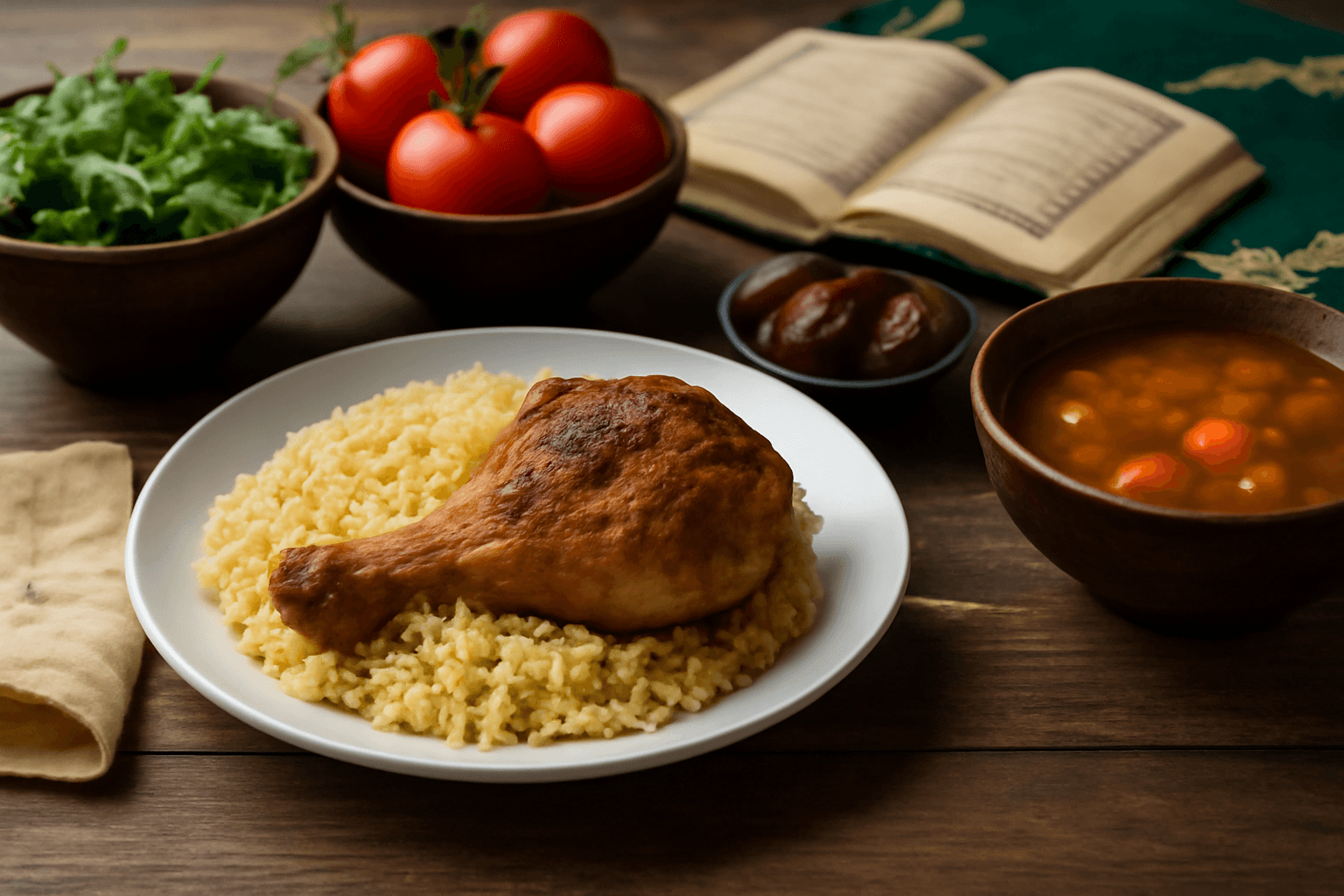
Halal food is not just a dietary restriction; it is a significant aspect of cultural and religious identity for millions around the globe. Understanding what halal food is, its origins, and why it matters is essential for respecting diverse culinary practices.
What does halal mean?
The term halal comes from Arabic, meaning "permissible" or "lawful". In the context of food, it refers to items that comply with Islamic law as outlined in the Quran. This includes specific guidelines on how animals should be slaughtered, what ingredients can be used, and how food should be prepared.
The history of halal food
Halal practices trace back to the foundational texts of Islam, primarily the Quran and Hadith (the sayings of Prophet Muhammad). The dietary laws are mentioned in several Quranic verses, such as in Surah Al-Baqarah (2:173), which states that believers may eat what is lawful and good. The concept of halal is not just about the food itself but encompasses a broader ethical and spiritual framework that includes cleanliness and compassion towards animals.
Who eats halal food and why?
Halal food is primarily consumed by Muslims, who make up approximately 1.9 billion people globally, according to the Pew Research Center. However, halal practices have gained traction beyond Muslim communities. Various individuals choose halal for reasons such as:
- Ethical sourcing: Many consumers appreciate the humane treatment of animals during slaughter.
- Food safety: Halal standards often include rigorous hygiene protocols.
- Health consciousness: Some perceive halal food as being cleaner and healthier.
Countries with significant Muslim populations, such as Indonesia, Pakistan, and Turkey, have established halal as a standard in food production. However, halal food is also increasingly available in non-Muslim majority countries, with many restaurants and supermarkets offering halal options.
Differences between halal and non-halal food
The distinctions between halal and non-halal food mainly revolve around the following:
1. Source of meat
Halal meat must come from animals that are permissible to eat according to Islamic law, such as cows, sheep, and chickens. Additionally, these animals must be slaughtered in a specific manner known as zabiha, which involves a swift, humane cut to the throat while invoking the name of Allah.
2. Ingredients
Halal food must not contain any prohibited (haram) substances, such as pork or alcohol. This extends to other additives and ingredients, including certain enzymes and flavourings that may derive from non-halal sources.
3. Preparation practices
Cross-contamination with non-halal food is a concern; therefore, halal food should be prepared using utensils and equipment that have not come into contact with haram items.
The global impact of halal food
Halal food plays a pivotal role in the global food market, with estimates suggesting the halal food market is valued at over $1.9 trillion as of 2021, according to a report by the ResearchGate. This growth is attributed to the rising Muslim population and increasing awareness of ethical and health-conscious eating. Non-Muslim consumers are increasingly drawn to halal food for its perceived quality and ethical standards.
"Halal is more than just a dietary choice; it embodies a lifestyle that embraces ethical and moral considerations in food consumption."
In conclusion, halal food is deeply intertwined with the cultural and religious identities of Muslims worldwide. Understanding its origins, significance, and the differences from non-halal food can foster respect and appreciation for diverse culinary practices.
Where to start
To explore halal eating, consider visiting local halal markets or restaurants. If you're new to halal, try recipes using halal-certified ingredients to experience a different aspect of culinary diversity.